South Africa head coach Hugo Broos offered a candid and measured assessment after Bafana Bafana suffered a 2-0 defeat to Mexico in their FIFA World Cup 2026 group stage opener, identifying the red cards his team received as the decisive turning point that made a positive result all but impossible. Speaking at his post-match press conference in Mexico City on Thursday, Broos was visibly frustrated by the disciplinary lapses but was firm in his belief that his squad had shown the quality and organisation required to compete at the highest level of the game.
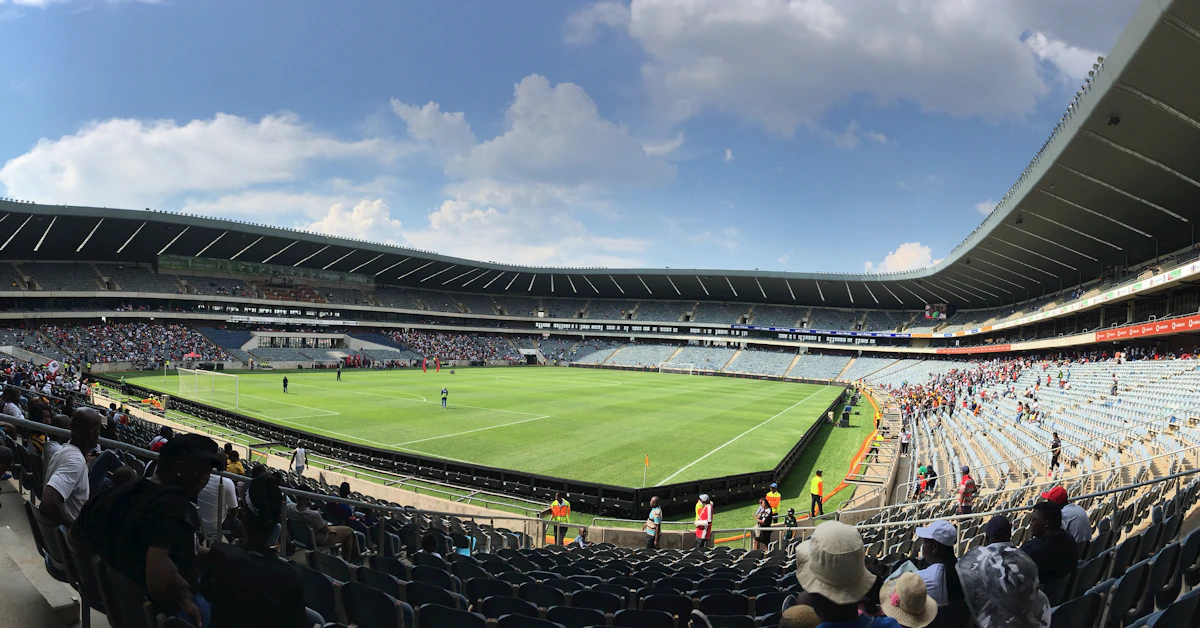
The match at the Estadio Azteca offered genuine encouragement for South Africa in the opening stages. Bafana Bafana were disciplined in their defensive structure and looked to play with purpose on the break, offering signs that they had arrived at this tournament prepared rather than overawed. However, the red cards changed the contest entirely, forcing the South Africans into lengthy spells of defending with a man fewer against a Mexican side that was both technically polished and highly motivated to deliver for a passionate home crowd. The hosts capitalised efficiently on the numerical advantage and scored twice to claim a comfortable opening-day victory.
Broos was unambiguous in pinpointing the red cards as the factor that derailed his team’s plans. With South Africa reduced in numbers, Mexico pressed relentlessly and exploited the spaces that opened up as Bafana Bafana struggled to maintain their defensive shape. Both goals arrived during this period of sustained Mexican pressure, and the coach made it clear that addressing the team’s discipline was his immediate priority ahead of the crucial group stage matches that remain. Broos stated bluntly that competing against quality opposition with eleven players on the pitch is already a demanding task, and that doing so with fewer is a situation the team cannot afford to repeat if they are to have any chance of advancing.
Despite the defeat, Broos was determined to acknowledge what had worked before the red cards disrupted proceedings. He singled out the team’s first-half display as evidence that Bafana Bafana were not outclassed, pointing to the tactical discipline and collective effort that kept Mexico at bay during the early exchanges. He also praised the individual resilience of his players who kept going until the final whistle despite the adversity of their situation. “We showed we can compete at this level,” Broos told reporters. “The red cards made it impossible tonight. We need to learn from this quickly, hold onto what we did well, and come back with a performance we can all be proud of in the next game.”
South Africa’s World Cup campaign is still very much alive, and Broos was resolute in expressing his confidence that the group stage outcome is far from settled after a single match. The squad will need to recover both physically and mentally in a short window, with the coaching staff focused on ensuring the tactical and disciplinary lessons from the Mexico game are embedded before the next fixture. The players who completed the full ninety minutes showed enough composure and technical ability to suggest Bafana Bafana have the tools to respond positively when the stakes are highest, and the camp is reported to be determined rather than deflated heading into the remainder of the group.
South Africa entered this World Cup as co-hosts, carrying the expectations of millions of supporters across the continent and the weight of a nation that has waited decades for a moment like this. One loss does not erase that opportunity, and Hugo Broos is precisely the kind of experienced, unflappable coach needed to hold the group together through the difficult moments that major tournaments always produce. How Bafana Bafana respond over the coming days will be the true measure of this squad’s character, and there is every reason to believe they have the resilience and the tactical intelligence to make this World Cup campaign one that South Africans will remember for all the right reasons.

Sara Blake is Mzansi Online’s lead correspondent for breaking news and national affairs. She covers South African politics, parliament, crime and safety, social justice and community issues across all nine provinces. From ANC policy debates to service delivery protests, Sara reports with clarity and purpose, ensuring readers are informed about the decisions that shape their lives. She is committed to accurate, fair and people-first journalism in line with South Africa’s democratic values.